
Health
Breakthrough in human cell mapping project
On November 20, international scientists announced the first blueprint of the development of the human skeletal system, marking an important step forward in the Human Ce…
Browse ScienceInfo articles and explainers related to Human Cell.
25 published items.
On November 20, international scientists announced the first blueprint of the development of the human skeletal system, marking an important step forward in the Human Ce…

In experiments in the US, human cells gained some abilities
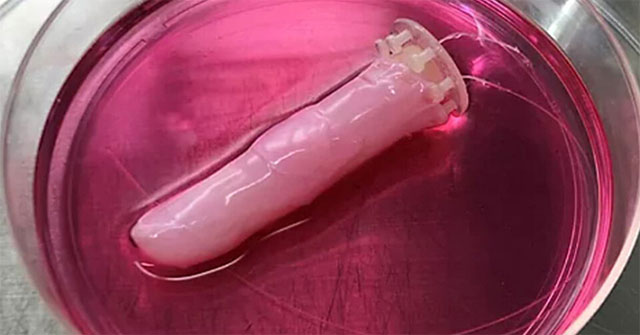
Japanese researchers have created a robotic finger with a self-healing flexible plastic coating made from human skin cells.
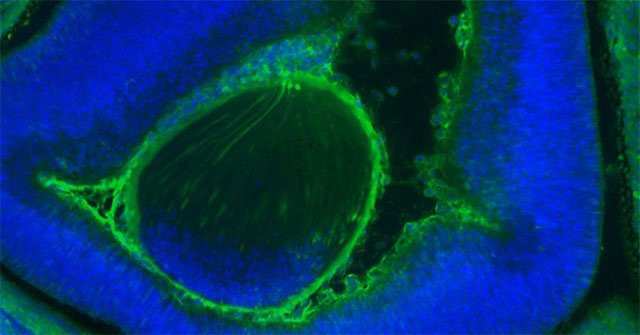
By injecting human stem cells into mouse embryos, the scientists will create mouse varieties for more accurate test results.
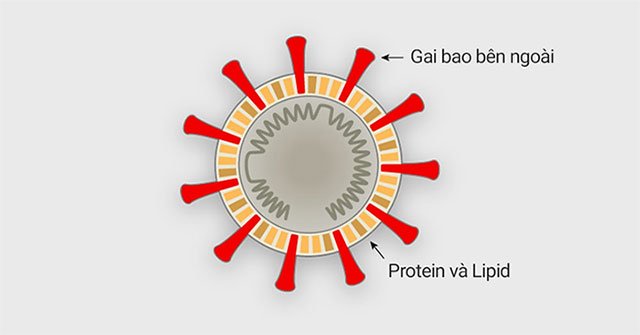
The strain that causes Covid-19 disease is spreading worldwide. There are at least 6 strains of this virus that infect humans.
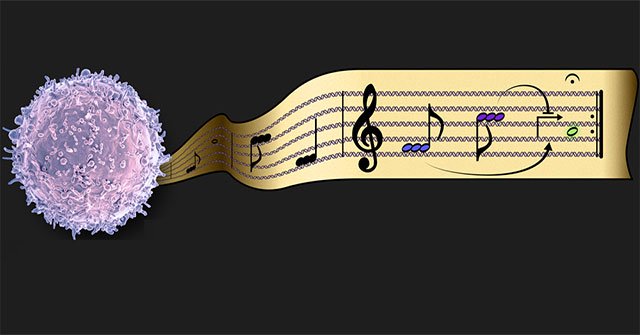
US scientists have developed a new platform called COMET that enables the discovery and modification of basic cellular functions.
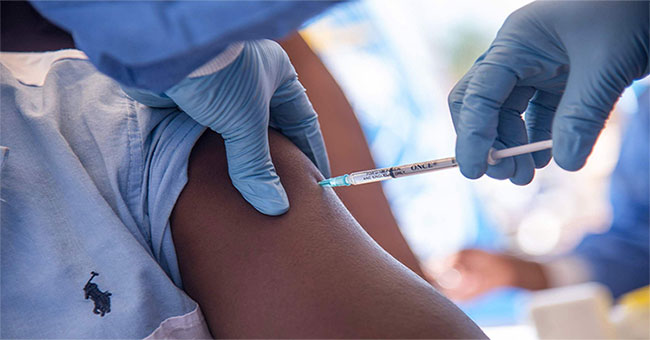
According to a study published in the journal Cell on December 13, scientists in the US have discovered a human protein that could help block the Ebola virus.
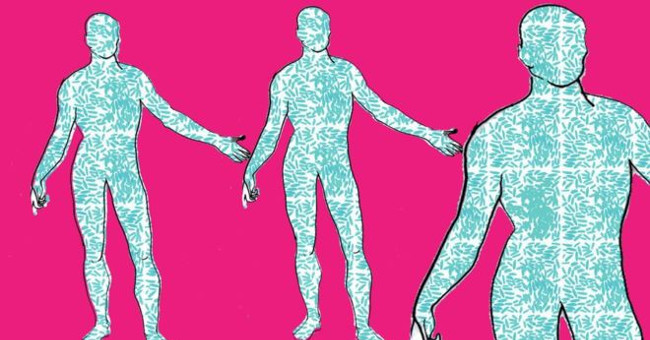
Believe it when the research published on the BBC recently showed that more than half of your body is not human!
After transplanting human cells into the brain of mice, experts from the University of Rochester (USA) witnessed the ability of subjects to learn faster than their neigh…
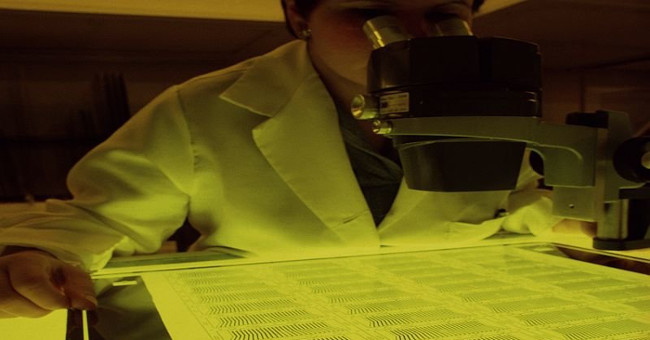
US and British scientists have launched a long-term project to identify and describe all human cells in a large atlas.

Many of us have an unrealistic hope that we will live until the time when scientists find a way to improve old people.
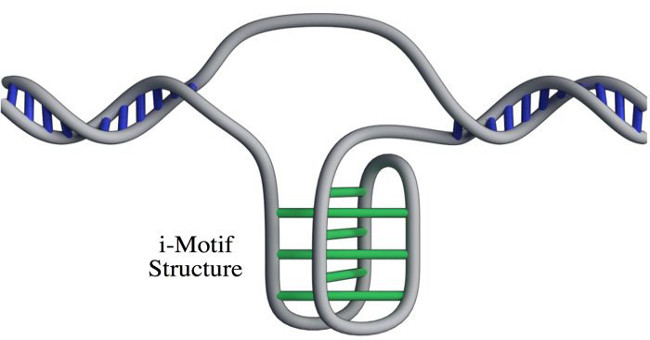
These molecular variants may have certain effects on the biological functions of the body.
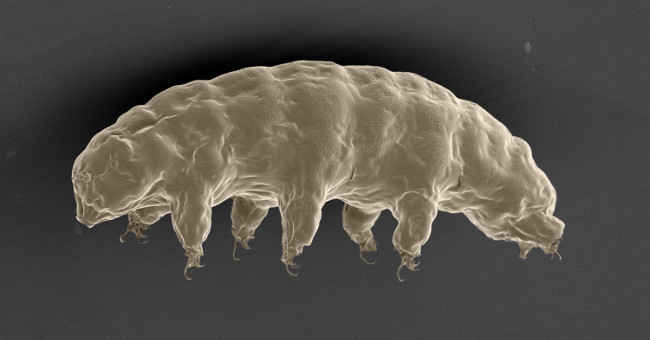
Tardigrades, also known by its name
Scientists have found a way to erase the HIV virus from the human genome by using an enzyme to shred them.

First, scientists have placed the engine inside human cells and drove them to move under the influence of magnetism.